

Why Weight Loss Feels Harder in Your 40s and 50s
Understanding Your Body and Finding a More Supportive Approach
If you feel like weight loss has become harder in your 40s or 50s, you’re not imagining it.
Many women notice that what used to work no longer feels effective. You may be eating the same, exercising the same, and still not seeing the same results.
This can feel frustrating, confusing, and sometimes disheartening.
The reality is that your body is changing — and your approach needs to change with it.
Why Weight Loss Changes in Midlife
There are several factors that can influence weight during this stage of life.
Hormonal Changes
As you move through perimenopause and beyond, shifts in hormones can affect:
- How your body stores fat
- Appetite and cravings
- Energy levels
- Blood sugar balance
These changes can make weight feel harder to manage, even when your habits haven’t changed.
Changes in Metabolism
Your metabolism naturally changes over time.
This can influence how your body uses energy and how easily it maintains or loses weight. Supporting metabolic health becomes more important than simply reducing calories.
Gut Health and Digestion
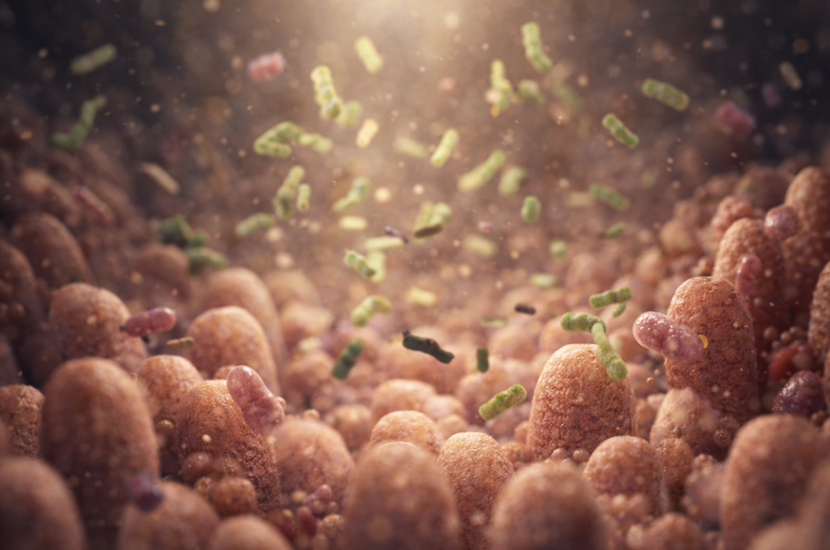
Your gut health plays a key role in metabolism, energy, and how your body responds to food.
Changes in the gut microbiome, digestion, and nutrient absorption can all influence weight and overall wellbeing.
Stress and Nervous System Load
Ongoing stress can impact:
- Hormonal balance
- Blood sugar regulation
- Energy levels
- Eating patterns
Supporting your nervous system is often an important part of a more balanced approach to weight.
Why “Eat Less, Exercise More” Often Stops Working
Many women are told to simply eat less and move more.
But this approach doesn’t take into account the changes happening in your body.
For some women, it can lead to:
- Increased fatigue
- Greater frustration
- Slower progress
- Feeling disconnected from their body
A more supportive approach focuses on working with your body, not against it.
A More Supportive Approach to Weight and Metabolic Health
Instead of focusing only on restriction, a naturopathic approach looks at the bigger picture.
This may include:
- Supporting gut health and digestion
- Nourishing your body with the right foods
- Supporting metabolic balance with specialised formulas
- Addressing stress and energy levels
- Creating sustainable, realistic habits
This approach is designed to feel supportive, not restrictive.
Where GLP-1 Support May Fit In
For some women, GLP-1 support may be part of their journey.
While this can be helpful, it works best when combined with a broader approach that supports:
- Nutrition and nourishment
- Gut health
- Muscle mass and energy
- Long-term sustainability
This helps ensure you feel supported both during and beyond any treatment.
You’re Not Doing Anything Wrong
It’s important to say this clearly:
If weight loss feels harder than it used to, it doesn’t mean you’ve failed or that you’re not trying hard enough.
Your body is changing — and it needs a different kind of support.
A Personalised Path Forward
Every woman’s experience is different.
A personalised approach can help you:
- Understand what’s influencing your weight
- Feel more confident in your choices
- Support your body in a balanced, sustainable way
If you’re feeling stuck or unsure where to start, you don’t have to figure it out alone.
Ready for a More Supported Approach?
If you’re looking for a way to support your weight, metabolism, and overall wellbeing in a way that feels realistic and personalised, I’d love to help.